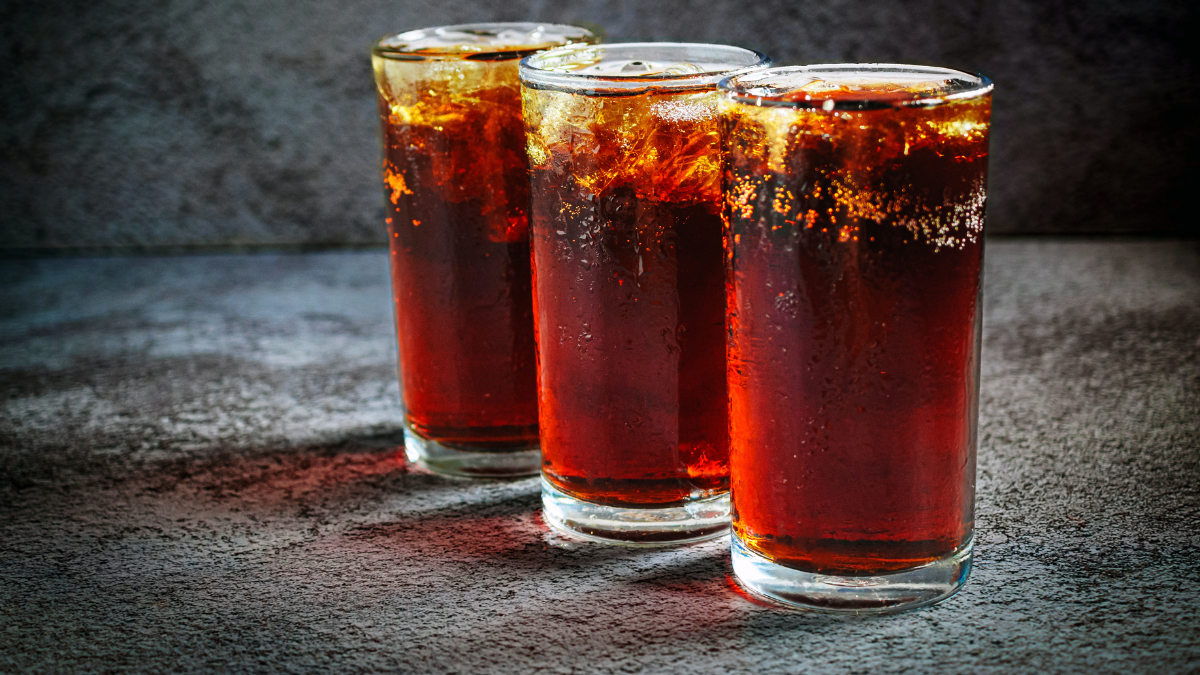
When dealing with lung cancer, food and drink choices matter more than usual. No drink can cure cancer, and no single drink causes it on its own. But some beverages can make it harder to stay hydrated, maintain a healthy weight, manage side effects, or get the nutrition your body needs during treatment. Cancer nutrition guidance generally recommends keeping added sugar low, limiting sugary drinks, and being careful with beverages that can worsen bloating, reflux, or poor appetite. :contentReference[oaicite:0]{index=0}
Drinks to Avoid or Limit
- Regular soda
- Fruit punch and sugary fruit drinks
- Energy drinks
- Sports drinks with added sugar
- Sweetened iced tea
- Sweetened coffee drinks
- Milkshakes and dessert-style blended drinks
- Carbonated sugary drinks
- Sugary cocktails or mixed alcoholic drinks
- Large amounts of fruit juice
Why These Drinks Are a Bad Idea
Many sugary drinks are high in calories but low in nutrition. That means they can fill you up without giving your body the protein, vitamins, minerals, and other nutrients it may need during lung cancer treatment. National Cancer Institute guidance says a healthy diet for people with cancer should include only small amounts of sugar, while the American Cancer Society advises avoiding sugary beverages as part of a healthier eating pattern. :contentReference[oaicite:1]{index=1}
Carbonated drinks can also be annoying in a very literal way. They may increase gas, bloating, fullness, or reflux. For someone already dealing with nausea, appetite loss, chest discomfort, or treatment-related digestive issues, fizzy drinks can be more trouble than they are worth. The NCI’s nutrition guidance for cancer care specifically notes that carbonated beverages can cause gas, and high-sugar drinks may need to be avoided in some situations. :contentReference[oaicite:2]{index=2}
1. Regular Soda
Regular soda is one of the easiest drinks to cut back on. It is loaded with added sugar and offers almost no nutritional value. It can also leave you feeling full without actually helping your body recover or stay strong. If you are not eating well already, soda is basically taking up space where something more useful could go. The American Cancer Society and MD Anderson both recommend limiting sugary drinks and added sugar. :contentReference[oaicite:3]{index=3}
2. Fruit Punch and Sugary Fruit Drinks
These drinks often look healthier than soda, but many are just sugar in a fake fruit costume. Fruit cocktails, fruit punches, and “juice drinks” may contain a lot of added sugar and only a small amount of real juice. If you want juice, small portions of 100% juice are a better option than sugary fruit beverages, though water is still the better everyday choice. :contentReference[oaicite:4]{index=4}
3. Energy Drinks
Energy drinks can be rough on the body when you are already tired, dehydrated, or sensitive to caffeine. Many contain a lot of sugar, caffeine, or both. That combo can worsen jitters, upset your stomach, and sometimes make it harder to stay comfortably hydrated. During cancer treatment, simple and gentle usually wins. Energy drinks are the opposite of gentle.
4. Sports Drinks With Added Sugar
Sports drinks are not always necessary unless your care team suggests them or you are dealing with a specific hydration problem. Many are high in sugar and may not be needed for everyday drinking. For many people with lung cancer, plain water, milk, broth, or other nourishing fluids make more sense than brightly colored sugar water pretending to be athletic.
5. Sweetened Iced Tea and Fancy Coffee Drinks
Bottled iced teas, sweet tea, flavored lattes, frappes, and blended coffee drinks can carry a surprising amount of sugar. Some also contain a lot of caffeine, which may irritate the stomach or make some people feel worse. They are easy to underestimate because they do not always taste as sweet as soda, but nutritionally, some of them are dessert wearing a lid.
6. Milkshakes and Dessert Drinks
These are not automatically “bad” for every person with lung cancer. In fact, some people with poor appetite or weight loss may be told to use high-calorie drinks. But if the goal is to avoid excess sugar and empty calories, dessert-style beverages should not be your default choice. This really depends on your treatment stage, weight, appetite, and advice from your doctor or dietitian. NCI notes that nutrition needs during cancer can differ from person to person. :contentReference[oaicite:5]{index=5}
7. Sugary Alcoholic Drinks
Sugary cocktails, coolers, and mixed drinks are another group to avoid or limit. They can add sugar, irritate the stomach, and make dehydration worse. NCI guidance also says alcohol should be limited or avoided during cancer care, especially when side effects are involved. :contentReference[oaicite:6]{index=6}
Better Drink Choices
Better options often include water, milk, unsweetened tea, diluted 100% juice in small amounts, smoothies made with real ingredients, or dietitian-approved nutrition drinks if eating is difficult. The best drink is the one that helps you stay hydrated and nourished without making symptoms worse.
Final Thoughts
With lung cancer, the goal is not perfection. It is making choices that support hydration, comfort, and nutrition. Sugary and carbonated drinks like soda, fruit punch, energy drinks, sweet teas, and sugary cocktails are usually worth avoiding or limiting. They do not do your body many favors, and frankly, they are all fizz and no substance. If you are losing weight, have no appetite, or are in treatment, ask your doctor or oncology dietitian for advice tailored to you.